
Full Service Coatings
Everything Your
Helipad Needs.
From first coat on a new build to full rehabilitation of an aging pad — Zephyr delivers FAA-compliant results on every project.
From first coat on a new build to full rehabilitation of an aging pad — Zephyr delivers FAA-compliant results on every project.
Zephyr specializes in helipad painting and full refurbishment. We apply long-lasting coatings in strict compliance with FAA regulations, ensuring every marking — H, circle, perimeter lines — meets the exact specifications required for legal operation.
Whether it's a fresh coat on a worn pad or a full refinish after a surface failure, our crew delivers precision results that hold up under aviation conditions.

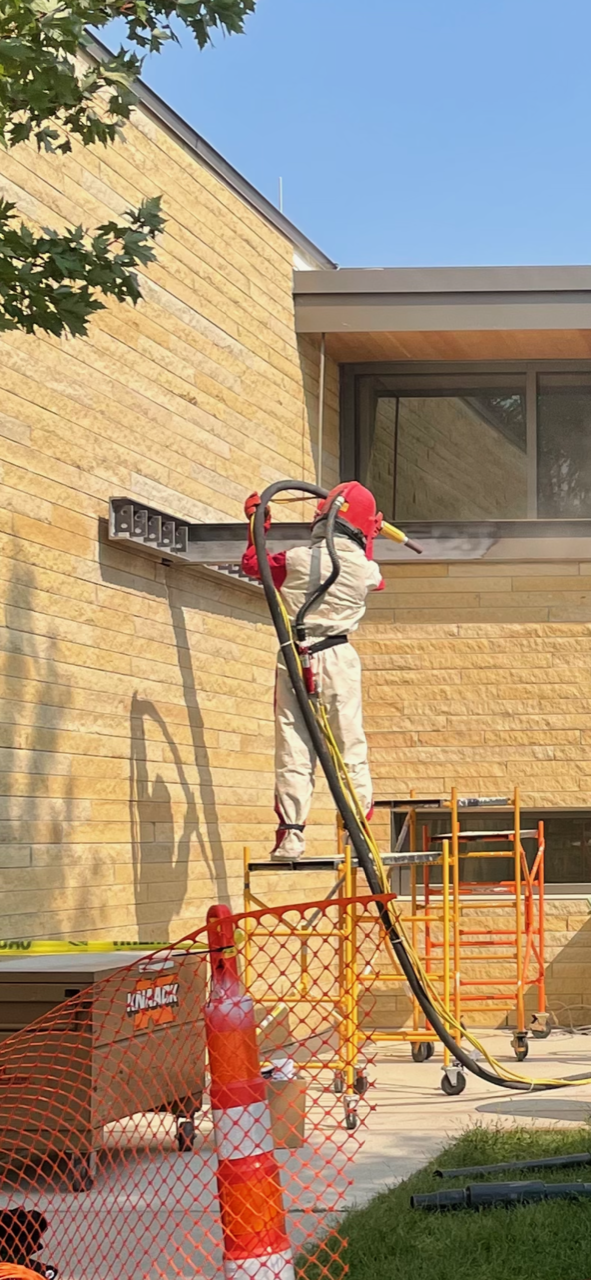
Before any coating is applied, Zephyr uses media blasting to remove dirt, rust, old paint, and contaminants from the surface. This step is critical — proper adhesion starts with a clean, prepared substrate.
We select media type, size, and pressure based on the specific surface material and condition — aluminum, cement, or composite — to achieve the best possible bond for the coating system that follows.
Surface cracking and raveling are early signs of structural degradation. Left untreated, they allow moisture intrusion and accelerate the failure of your helipad's pavement structure — especially in climates with freeze-thaw cycles.
Zephyr performs crack sealing, minor rehabilitation overlays, and full resurfacing to address these issues before they become costly reconstruction projects.
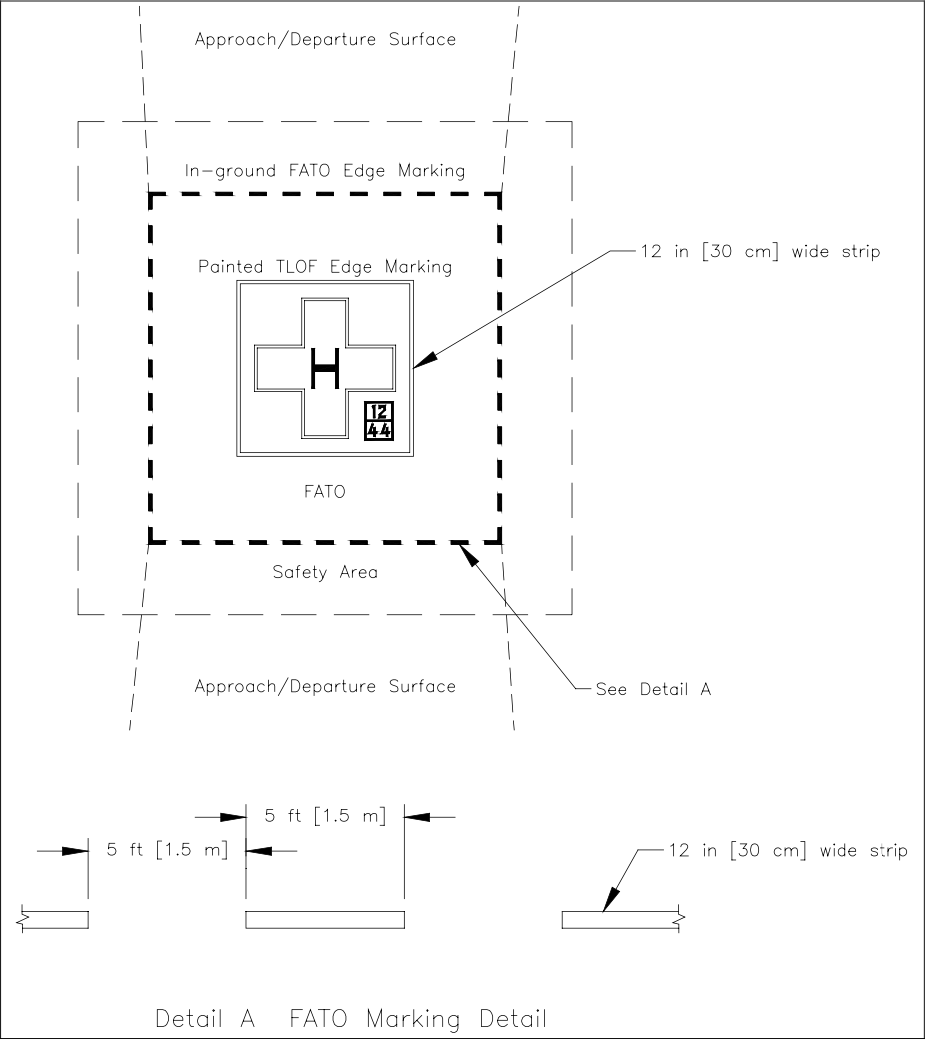
Not sure if your helipad meets current FAA standards? Zephyr conducts on-site assessments against FAA Advisory Circular 150/5390-2D, the governing document for heliport design and marking.
You'll receive a full written report of your pad's current condition, any compliance gaps, and a clear action plan — before any coating work begins, so there are no surprises.
We offer two durable, proven coating systems. During your site assessment, we'll recommend the best fit for your surface, budget, and conditions.

A two-component, high-solids, fast-drying polyamide epoxy mastic applied to the full helipad surface and FAA markings. Exceptional adhesion, fuel resistance, and durability under aviation traffic and weather.

A resilient adhesive sheet with FAA markings printed on it — the same product used on marine vessels in harsh, wet, cold conditions. We apply a base coat of epoxy first, then install the marking sheets on top for a clean, long-lasting result.
Once the helipad is coated and marked, Zephyr applies a clear coat that adds an additional layer of protection. Into this clear coat, we add grit — making the pad a certified non-slip surface safe for helicopter operations in all weather.
We offer multiple levels of grit and can send you physical samples so you can feel the difference before committing to a finish.
| Activity | Frequency | Purpose |
|---|---|---|
| Crack Sealing | Every 1–2 Years | Prevents moisture from entering cracks and expanding during freeze-thaw cycles. |
| Sealcoating | Every 3–5 Years | Replaces oils lost to oxidation and protects the structure from fuel spills and deicing chemicals. |
| Pavement Markings | Every 3–5 Years | Updates safety markings; durability depends heavily on snow removal activity and UV exposure. |
| Minor Rehabilitation | Every 10–12 Years | Resurfacing the top layer (overlay) to address surface cracking or raveling before structural failure occurs. |
| Full Reconstruction | Every 20+ Years | Complete replacement of the pavement section once maintenance is no longer cost-effective. |